
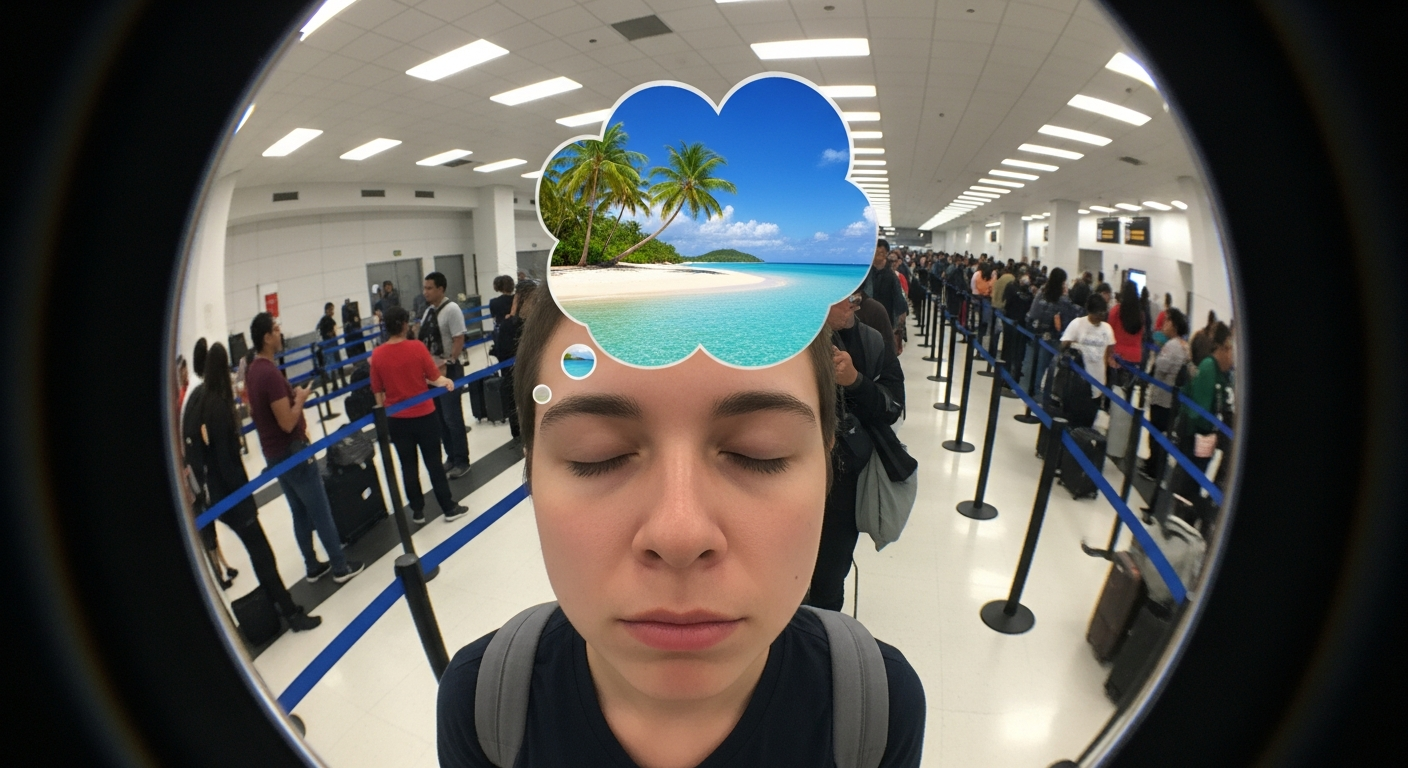
When we imagine a holiday, we picture ourselves on a beach at sunset or hiking up mountains that we’ve only seen in photos. The destination is vivid, logistics are invisible..
Data migrations work the same way. We think about the end state: unified infrastructure, snappier performance with lower costs. But between here and there lies a long list of unglamorous decisions: which data moves first, what happens to in-flight projects, how do we validate nothing broke?
Our holiday analogy runs even deeper than it first seems. Before you reach the beach, you need to compare flight times, trawl Airbnb reviews, plan how early to leave for the airport, and wonder whether the security wait will be twenty minutes or ninety. When you finally land, new unknowns emerge: will your taxi take card, where’s the apartment key, is the neighborhood walkable after dark?
Experienced travelers plan backwards from their destination. The same principle works for migrations: start with the most recent data, files touched in the last 30, 60, 90 days. That’s what users will actually need Monday morning after cutover.
Older data? It drifts into the long tail of a project. Migrating it from recent to oldest, you might just realise something liberating: some of that data doesn’t need to be moved at all. Archive-tier data on hot storage that nobody’s accessed in two years is a candidate to move to archive forevermore.
The complexity isn’t the data itself – it’s the language. Object storage, filesystem, and cloud platforms each have their own APIs and performance characteristics, not to mention commercial models. Moving between them isn’t copying; it’s translation.
What can make the journey manageable is having a common language. A way to see all of your storage, regardless of vendor or tier, through a single lens, with unified visibility and consistent policies. Without this, you’re roaming around foreign cities without a map.
The best holidays feel effortless because someone did the planning. The question isn’t whether to move your data—it’s whether you can see clearly enough to know what to move, when, and what to leave behind.