
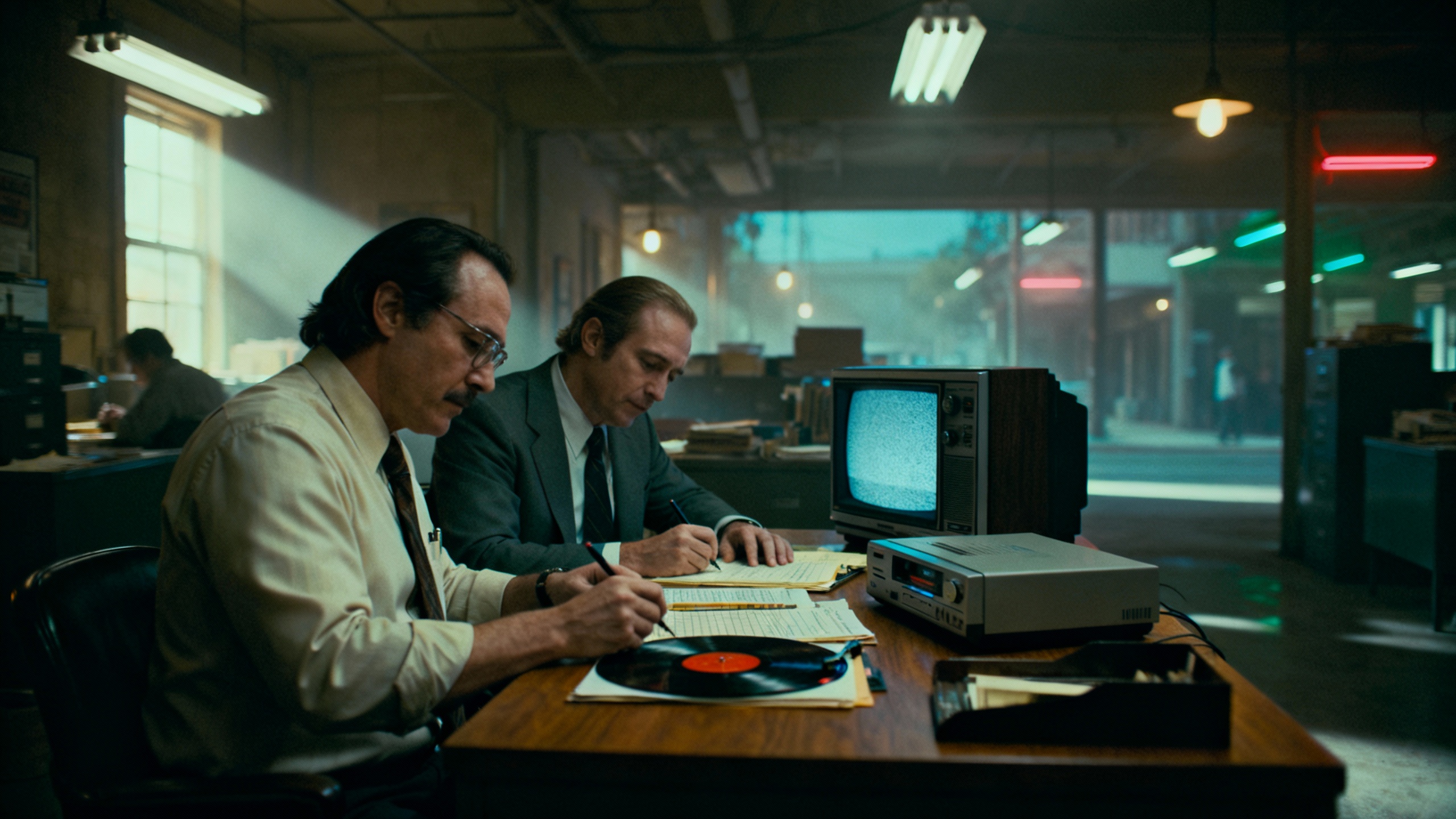
Open a music streaming service, pick any track, and the creative attribution chain is clear. Writer, performer, producer, distributor – each role defined, each royalty split negotiated, each party paid according to formulas refined over a century of litigation and legislation.
Video has built similar infrastructure. ISAN codes, cue sheets, chain-of-title documentation: an entire system exists to answer “who owns what” and “who gets paid when someone watches.” Both industries solved creative attribution because money demanded it.
But it’s the operational recipe where they differ the most: a song might touch two or three facilities between creation and distribution. A feature film touches dozens: production offices, on-set storage, dailies labs, editorial suites, VFX vendors, color houses, sound stages, mix facilities, archive providers. Not to mention cloud platforms with different billing methods.
Each of these facilities have systems to store data on its own terms.
Complexity means there’s a visibility gap that nobody talks about. We can tell you exactly who wrote a particular scene but we can’t tell you which project consumed what portion of storage last quarter, or which vendor’s infrastructure drove costs during the VFX crunch. The creative ledger is immaculate; the operational ledger barely exists.
This matters more now because the economics have shifted. After years of billion-dollar streaming losses, studios reached profitability through layoffs, content cuts, and relentless cost discipline. CFOs are asking questions that used to belong exclusively to IT. “What does this show actually cost to store?” isn’t operational trivia: it’s a P&L question.
When storage was cheap and margins were fat, nobody needed project-level cost attribution across dozens of vendors. But that era is now over.
Creative operations that treat their infrastructure spend with the same precision as rights management, will have a structural advantage. Not because this data is more valuable, but because you can’t optimise what you can’t see.