
We haven’t become lazier. We’ve become more obedient consumers.
When streaming hit 46% of all US viewing time last year, and YouTube claiming the #1 spot for twelve consecutive months, it didn’t signal a crisis of taste. It revealed something deeper: we’ve collectively decided that when we watch matters more than where it comes from. The device in our pocket gave us permission to consume whenever we want, so we do.
This shift has built a high-speed trainline straight through the traditional media production map. Longform moved to YouTube. Shortform exploded thanks to the big three shortform video platforms, who are now pulling in 70+ billion daily views.
Mobile consumption didn’t just increase; it became dominant, with 87% of YouTube visits coming from phones. Platforms didn’t fragment audiences, they multiplied them.
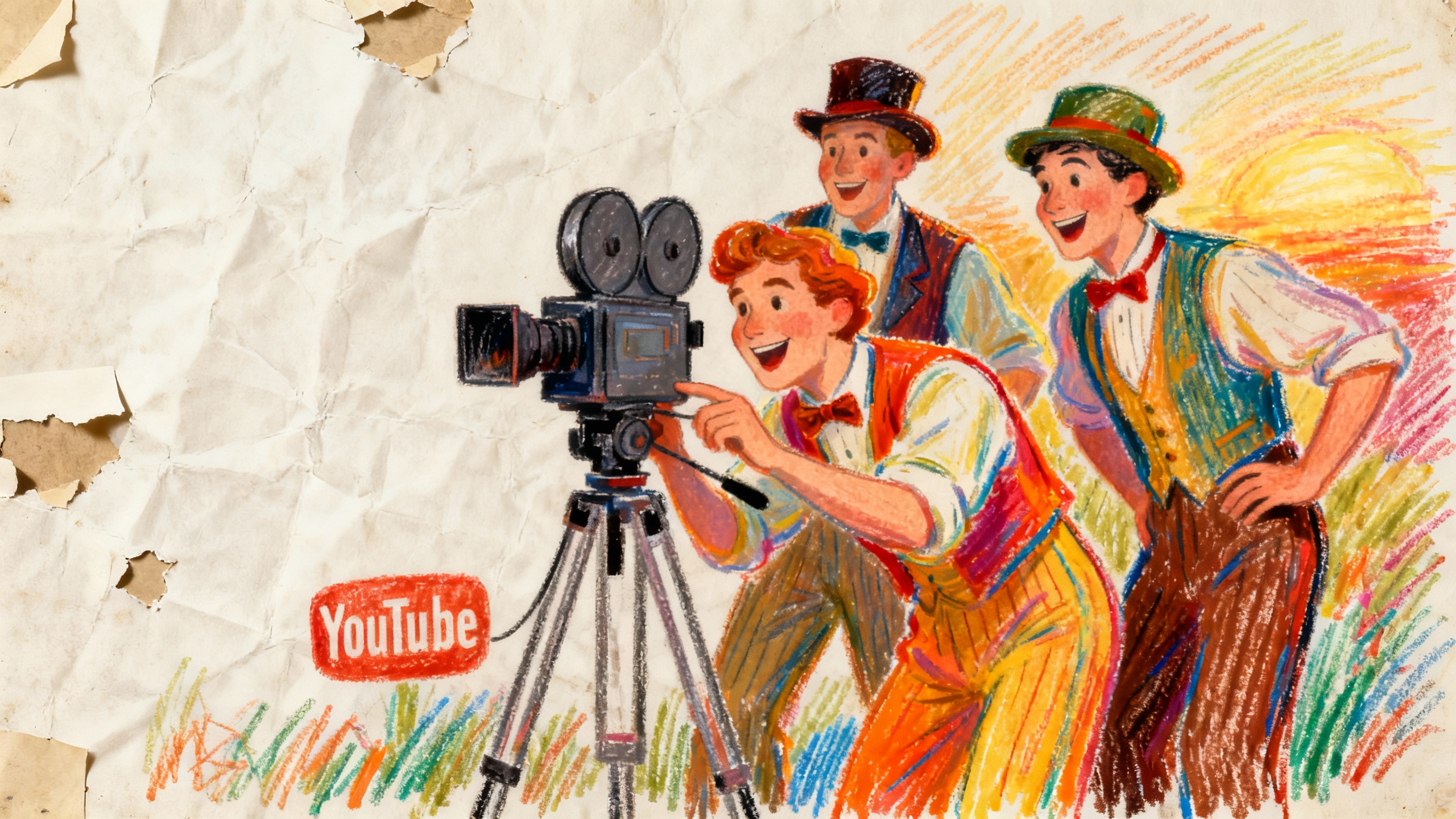
I wonder if live theatre owners felt this same vertigo in the 1920s. Hollywood studios were cranking out 800 films a year, and vaudeville performers were quietly pivoting to silent film. The medium changed, but here’s what’s easy to miss: people didn’t stop wanting stories. They just wanted them delivered differently.
AI anxiety makes perfect sense when your business model is evaporating. But the threat isn’t generative models or automated editing – it’s that production infrastructure built for 800 films per year can’t scale to 800 hours per day. The companies treating this as a technology adoption problem rather than a systems architecture problem are optimising for the wrong constraint
Eyeballs moved, content followed. The appetite didn’t shrink. It grew. One billion hours of YouTube content gets watched every single day on TV screens alone. That’s not an attention crisis; it’s an attention explosion that the traditional production system wasn’t architected to feed.
You can optimise an existing system only so far. Faster renders, better pipelines, leaner crews are all tangible improvements that will squeeze incremental efficiency from systems designed for a different consumption pattern. But eventually, legacy systems get disrupted by ones that deliver the best user experience to algorithmically conditioned audiences.
The end goal isn’t theatrical releases or pilot seasons anymore. It’s filling the infinite scroll that never stops scrolling. The companies that figure out how to produce at that cadence without burning through their people or their budgets won’t just survive the shift. They’ll define what media production looks like for the next generation.